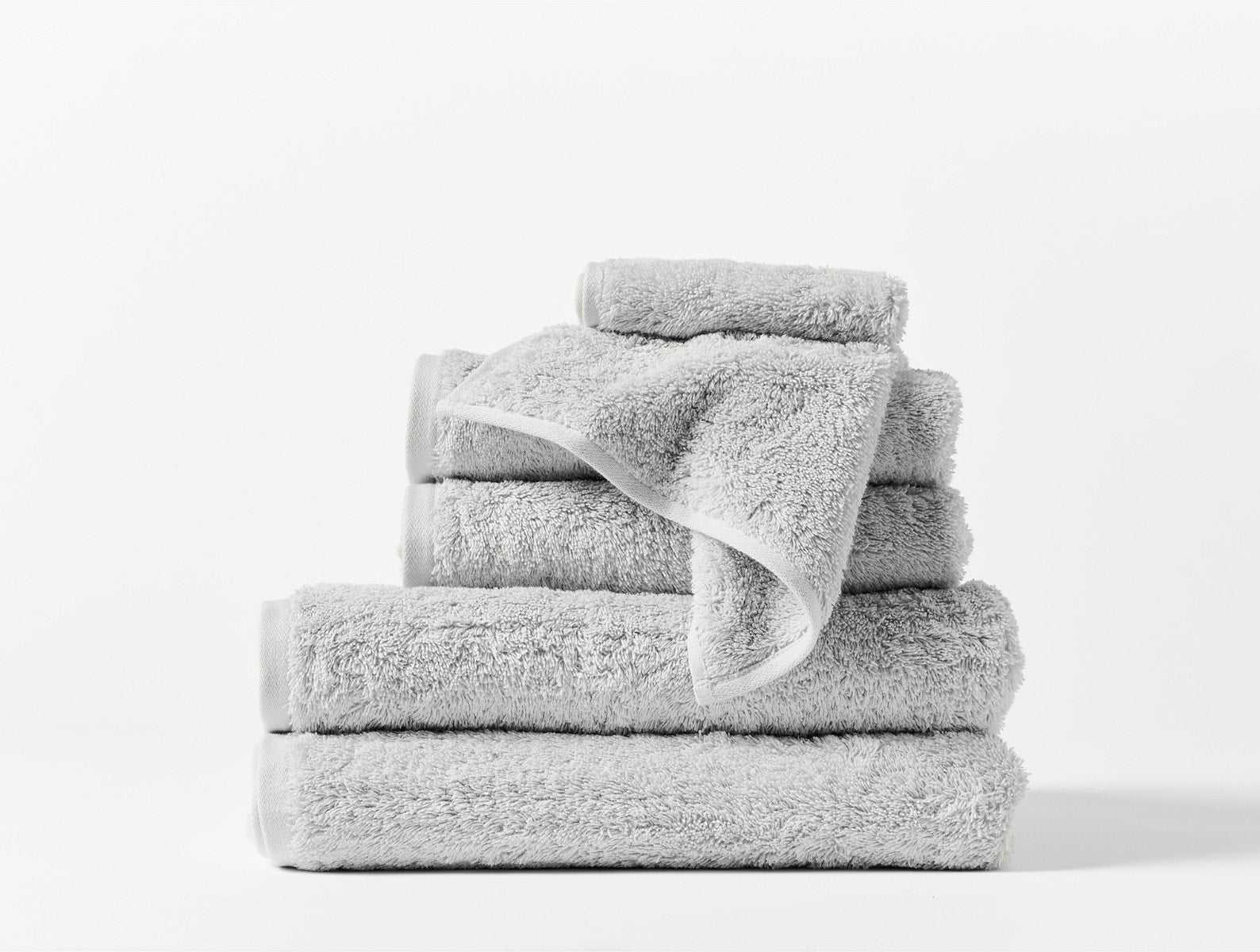
Cotton vs Linen in Hospitality Linens: Care, Durability, and Day-to-Day Use
In the refined world of hospitality, the texture of a towel, the whisper of a sheet, and the quiet luxury of a duvet cover are as defining as the service itself. Cotton and linen—two ancient fibers with distinct personalities—shape the guest experience from the moment a room opens to reveal its linens. This feature-length guide unpacks how these fabrics perform in laundering, how they endure repeat wear, and how hoteliers and designers can balance care practicality with long-term comfort. From the textile loom to the machine wash, we trace a path through material science, care calendars, and the days when guests notice only a perfect touch.
To illuminate these considerations, we draw on expert knowledge across time and technique, along with an eye for luxury detail. Read on to discover how cotton and linen behave under stress, which fabric best suits different hospitality settings, and how care routines can preserve softness, absorbency, and color vibrancy for years to come.
A brief history: why cotton and linen matter in hospitality
The conversation between cotton and linen stretches back to antiquity. Cotton, with its plush softness and enduring versatility, became the everyday backbone of modern hotels as industrial washing and synthetic blends arrived. Linen, by contrast, carries a lineage of luxury and temperature regulation, a material that feels cooler to the touch and breathes with the body. In hospitality, the choice between these fibers is not solely about feel; it is a statement about durability, laundering efficiency, and the sensory memory guests carry after their stay.
The elegance of linen in guest rooms comes from its natural texture, its ability to wick moisture, and its tendency to become softer with each wash. Linen’s aroma of clean air and sun-dried fibers is often perceived as more breathable and cooler in warmer climates. Cotton, especially when engineered into high-thread-count sheets or ring-spun yarns, delivers a crisp or pillow-soft hand that can feel plush against the skin, depending on finish and weight. The decision between the two—cotton, linen, or blends—depends on climate, guest expectations, and the hotel's laundering capabilities.
Cotton: Comfort, Versatility, and Care Demands
Cotton is beloved for its softness, absorbency, and ease of care. In hospitality, cotton linens often come in percale or sateen weaves. Percale is crisp, breathable, and ideal for warmer climates or guests who prefer a cooler night’s sleep. Sateen offers a smoother, more luxurious hand that enhances the sense of opulence in guest rooms.
In laundering, cotton can endure high temperatures and robust cycles, which makes it reliable for frequent turnover. However, repeated high-heat washing and aggressive agitation can lead to color fading, pilling, and fiber wear over time. A careful balance of wash temperature, detergent strength, and drying method is essential to maintain softness and colorfastness.
For hoteliers, cotton’s versatility translates into a straightforward care calendar: wash at moderate to warm temperatures, use appropriate fabric softeners sparingly (or avoid them when possible to preserve absorbency), and line dry or tumble dry on a lower heat setting to minimize fiber fatigue.
Linen: Breathability, Longevity, and Passive Cooling
Linen’s natural moisture-wicking and air-flow properties make it particularly appealing in warm climates or seasonally dynamic properties. The fiber’s structure—thicker and stiffer when dry, but softening with every wash—gives linens a relaxed, lived-in character that many guests find comforting.
In care terms, linen is robust, yet it appreciates gentle handling. It can withstand frequent washing, but colorfastness and finish integrity should be monitored. Its tendency to wrinkle is part of its aesthetic, not a defect, which can reduce ironing demands if the house style embraces a relaxed look.
For hoteliers, linen is a strategic choice for guest rooms designed to exude calm and coolness. Care calendars often favor lower-heat cycles with moderation on detergents, and linen’s natural durability can translate into longer service life with consistent laundering practices.
Performance in laundering: what to expect over the long haul
A key question for hospitality is how fabrics hold up under repeated washing. Cotton’s softness can be enhanced by gentle alkaline detergents and a careful drying regimen that avoids overdrying, which can make fibers brittle over time. Linen, while famous for resilience, benefits from a slightly lower agitation and temperature profile to preserve fiber integrity and reduce pilling.
Cotton care calendar (guest room linens)
- Washing: 60°C max (hot-water cycles reserved for heavily soiled items or clinical settings).
- Detergent: Mild to moderate; avoid overly aggressive detergents that can dull color and fiber strength.
- Drying: Tumble dry on low to medium heat; remove promptly to minimize wrinkling and reduce wear from over-drying.
- Ironing: If desired, use a warm iron; consider finishing with a light spray for a crisp, hotel-ready hand.
Linen care calendar (guest room linens)
- Washing: Typically 40–60°C; linen tolerates higher temps but watch for color fade in dyed pieces.
- Detergent: Mild; avoid chlorine bleach that can weaken fibers over time.
- Drying: Line dry preferred; if using a dryer, use low heat and remove while still slightly damp for optimal softness.
- Ironing: Steam while damp or use a warm iron to refresh the finish; embrace a natural, slightly wrinkled aesthetic.
Industry guidance from renowned brands emphasizes alignment between care instructions and fabric performance. Coyuchi and St Genève, for instance, highlight sustainability and natural fiber care as essential to longevity. Their published care recommendations echo the practical approach described here: gentler cycles, mindful detergents, and respect for the fiber’s natural tendencies. When implementing these guidelines in a hotel setting, facilities teams should coordinate with laundry partners to optimize wash chemistry, water usage, and cycle times—balancing environmental considerations with impeccable guest comfort.
Practical guidance for selecting textiles by setting and guest expectations
The right fabric choice is a negotiation between climate, guest demographics, and the hotel’s service model. For seaside properties or tropical destinations, linen’s breathability and quick-drying properties often translate to a cooler, more comfortable guest experience. In urban or cooler regions, cotton’s softness and warmth can be leveraged to create a cocoon-like sense of luxury in guest rooms.
A strategic approach to material selection can involve hybrids or blends. Linen-cotton blends can offer a balance between the airy feel and the plushness some guests expect, along with a care profile that remains manageable in high-turnover environments. The decision to integrate a product like The Belgian Towel Fouta Oyster Stripe, crafted from 100% linen with a washed finish, can elevate guest experience with its tactile linen texture, absorbency, and multipurpose utility. The fouta’s heritage and disciplined finish complement both bath ensembles and spa-like settings, projecting an aura of effortless luxury.
Case study: The Belgian Towel Fouta Oyster Stripe
Product: The Belgian Towel Fouta Oyster Stripe, 43x71 inches. 100% linen with a washed finish, known for absorbency and versatility.
Why it matters in hospitality: Linen foutas bring a refined texture and practical warmth to poolside and spa areas, while also presenting elegantly as a compact bath towel. The oyster stripe detail adds a subtle design language that can coordinate with a linen-dominated guest room aesthetic.
Care insight: Linen care guidelines emphasize washing at up to 40°C, line drying when possible, and steam ironing to smooth the fabric while preserving its softness.
In-room textile accents: Riverside Tablerunner
Product: Riverside Tablerunner, a linen-polyester blend designed for everyday use with easy-care finishes.
Relevance: While not directly a guest-room linen, a well-chosen tablerunner informs the overall texture language of a space. Its practical care profile demonstrates how hospitality design can balance aesthetic with durability and low maintenance.
Care note: Blend fabrics like linen-polyester are forgiving in laundering, tolerating higher wash temperatures and easier wrinkle management, making them sensible for dining spaces that see high turnover.
Three key textile thinkers from different eras
To illuminate the enduring dialogue of fibers and care, we look to three pivotal voices across time—visionaries who shaped how fabrics are understood, maintained, and celebrated.
1) Léon Battista Alberti (15th century)
A Renaissance thinker who prized order and proportion, Alberti’s approach to textiles was as much about geometry as texture. His method—observing patterns, testing materials, and harmonizing function with form—prefigures modern care standards in hospitality textiles, where a calm, measured approach yields consistent guest comfort.
Takeaway: Design with intention; materials deserve thoughtful consideration and disciplined handling to preserve beauty over time.
2) Jean-Baptiste-Denis Poiret (18th–19th century textile chemist-influencer)
A pioneer in early textile chemistry and dyeing, Poiret’s spirit echoes in today’s emphasis on fiber science and colorfastness. Hospitality linen care today leans on such foundations—understanding fiber behavior, finishing, and wash reactions to maintain color and integrity across thousands of cycles.
Takeaway: Science underpins style; data-driven care decisions protect guest experiences and sustainability.
3) Coyuchi founders (early 2000s)
In the modern era, Coyuchi helped crystallize the market for organic, sustainable textiles with transparent sourcing and care guidance. Their ethos mirrors the article’s pillar: educate, inform, and empower guests with fabrics that feel good and respect the planet.
Takeaway: Sustainability is not a trend but a practice grounded in mindful care and responsible production.
A canopy of practical recommendations: selecting, using, and maintaining
For hoteliers and interior designers, the practical toolkit matters as much as the editorial gloss. When choosing linens for guest rooms, consider climate, guest demographics, and turnover rate. Linen can offer a cooler, more breathable experience, while cotton can deliver a plush, inviting feel that some guests prefer. Blends are a sensible compromise, balancing texture, performance, and care requirements.
Product spotlight: The Belgian Towel Fouta Oyster Stripe
The Belgian Towel Fouta Oyster Stripe is a 100% linen towel with a refined, washed texture. Measuring 43x71 inches, it is designed for absorbency and multipurpose use—ideal for bath, spa, or beach settings.

Price: 273.50
Care: Linen care at max 40°C; line dry if possible; iron with steam on slightly damp linen.
Product spotlight: Riverside Tablerunner
Riverside Tablerunner is a linen-polyester blend designed for everyday use with an easy-care finish. It adds texture and a natural look to dining spaces, complementing a hospitality aesthetic that values durability and style.

Price: 78.00
Care: Unfold before washing; max 60°C; line dry preferred; iron inside when damp to minimize wrinkles.
Conclusion: designing elegance through care
Cotton and linen both deserve a place in hospitality—each offering distinct advantages that, when paired with thoughtful care, translate into lasting guest delight. The care calendars, laundering strategies, and product examples explored here aim to empower hoteliers, designers, and managers to choose textiles that align with climate, service objectives, and sustainability goals. In the end, the wardrobe of guest rooms—towels, sheets, and throws—becomes a quiet opera where fabric, texture, and routine perform in harmony.
For further inspiration, consider pairing a refined linen towel with a light, breathable sheet set and accessorizing with tactile tablerunners that celebrate natural textures. The result is a guest experience that feels both luxurious and deliberately practical, a Vogue-worthy balance of beauty and function.
— The Editorial Team